
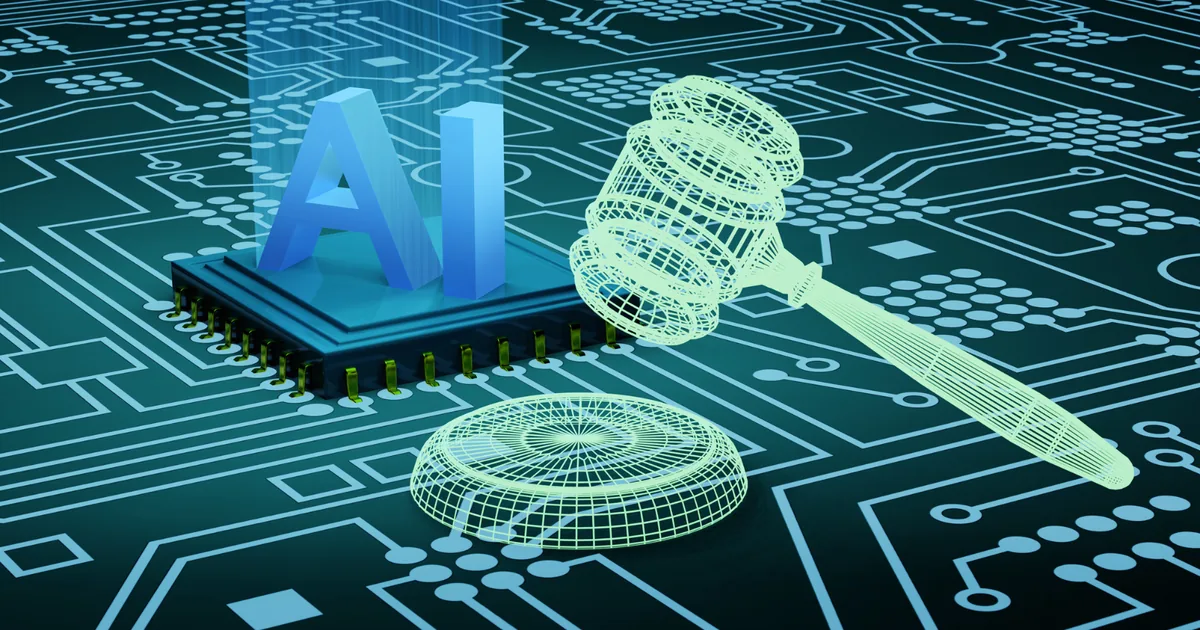
Artificial intelligence (AI) is no longer confined to science fiction; it is woven into everyday life. From our phones and search engines to hospitals and even court systems, we constantly encounter AI-driven decisions. But how “right” are those decisions? And more importantly: can a machine have a conscience?
1. Decisions Written in Code
At its core, an AI system is just a collection of algorithms. Its decision-making process depends on the code written by humans and the data it’s trained on. But data is far from perfect. Since it’s created by us, our biases, misperceptions, and mistakes inevitably leak into it.
The result? A hiring algorithm that sidelines female candidates, a facial recognition system that’s less accurate for darker skin tones, or a news recommendation engine that amplifies only certain viewpoints.
These examples raise unavoidable ethical questions: if an AI makes a harmful decision, who is responsible? The programmer? The company? Or the algorithm itself?
2. Can a Machine Have a Conscience?
The word “conscience” implies moral awareness and empathy, qualities that are deeply human. AI systems today don’t feel emotions; they act purely based on probabilities and data patterns.
Still, researchers are working on so-called “ethical algorithms.” For instance, if a self-driving car faces an unavoidable accident, whom should it prioritize? This has become a real-world version of the trolley problem.
Some projects focus on aligning AI decisions with human values, but which values are truly universal remains up for debate.
3. Power, Responsibility, and Transparency
AI systems now make decisions that affect billions of people. With such powerful tools, ethical oversight is as critical as technical safety.
- Transparency: We need to understand how algorithms make decisions in order to question them.
- Accountability: Who pays the price when an AI makes a mistake?
- Fairness: How can we reduce the biases embedded in data?
Without clear answers to these questions, trusting the pace of technology becomes risky.
4. A Human-Centered Future
Perhaps the real issue isn’t giving AI a conscience, but ensuring that those who design it use theirs. We can’t write “empathy” into code, but the ethical principles of the people behind the code will ultimately shape these technologies.
AI reflects humanity itself: the more ethically we act, the more ethical our creations become.
5. Final Thoughts
Code may not have a conscience, but the coder does. That’s why the AI of the future shouldn’t just be smarter; it should be fairer. True progress isn’t measured only by intelligence, but by responsibility.