
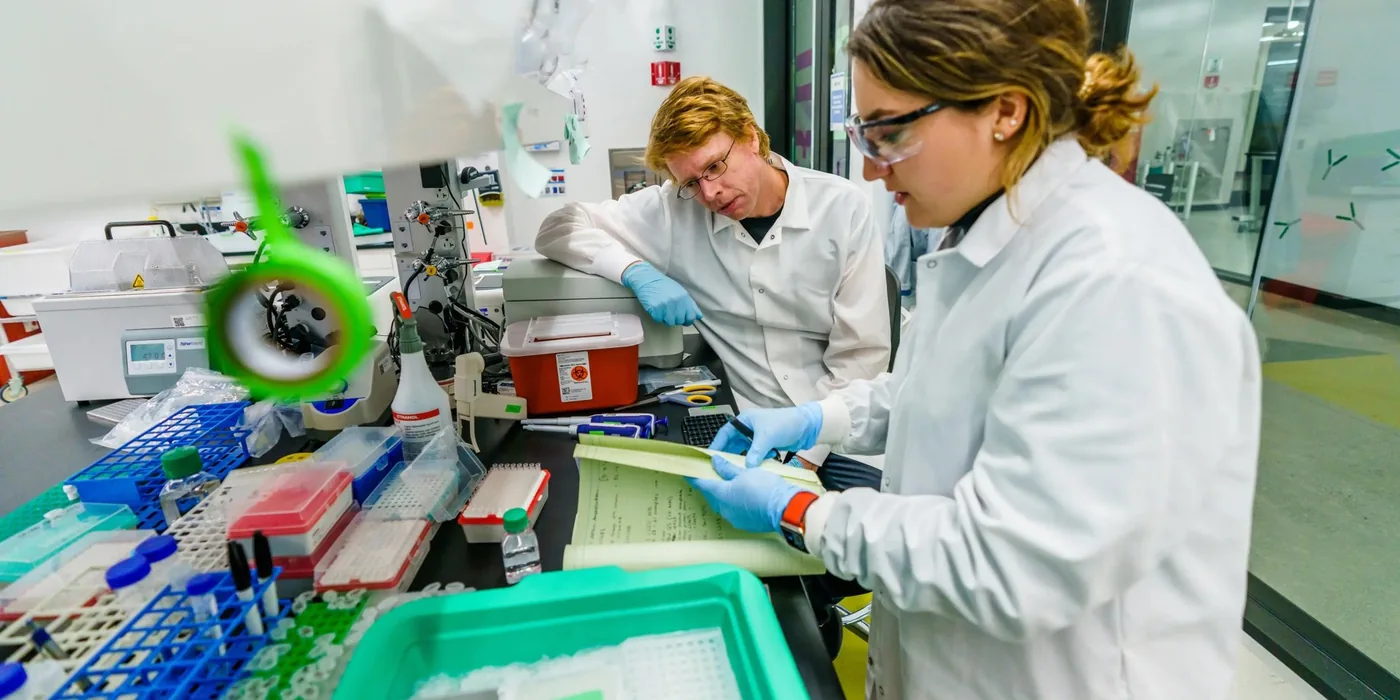
Bioengineering is ushering in a new era by combining living systems with engineering principles across both health and technology. This discipline draws inspiration from the complex mechanisms of nature to create solutions that transform human life.
Engineering Living Systems
Modern bioengineering allows us to understand and redesign the behavior of cells, proteins, and genetic material. Fields like genetic editing, tissue engineering, and biosensor technology enable the creation of artificial systems that mimic biological processes.
For example, thanks to CRISPR-Cas9 technology, scientists can now edit DNA almost like computer code. This breakthrough opens the door to curing genetic diseases, making organ transplants safer, and even developing “biological computers” in laboratories, concepts that once belonged to science fiction.
From Cell to Chip: Bio-Integrated Technologies
Advances in nanotechnology are bridging the gap between biology and the physical world. Researchers are developing biosensor chips that connect signals from living cells to electronic systems. These chips have potential applications ranging from health monitoring to environmental analysis.
Such systems make it possible to analyze biological data from the human body in real time, paving the way for personalized medical solutions. In doing so, the human body becomes part of a dynamic ecosystem that can directly interact with technology.
Ethics and the Future
The limitless potential of bioengineering also brings forth ethical questions: Where does the right to alter human biology begin and end? Is technology a tool that complements nature, or one that transforms it?
The bioengineers of the future must create not only innovation but also responsibility. Because the journey “from cell to chip” doesn’t just redefine science, it redefines humanity’s future as well.